
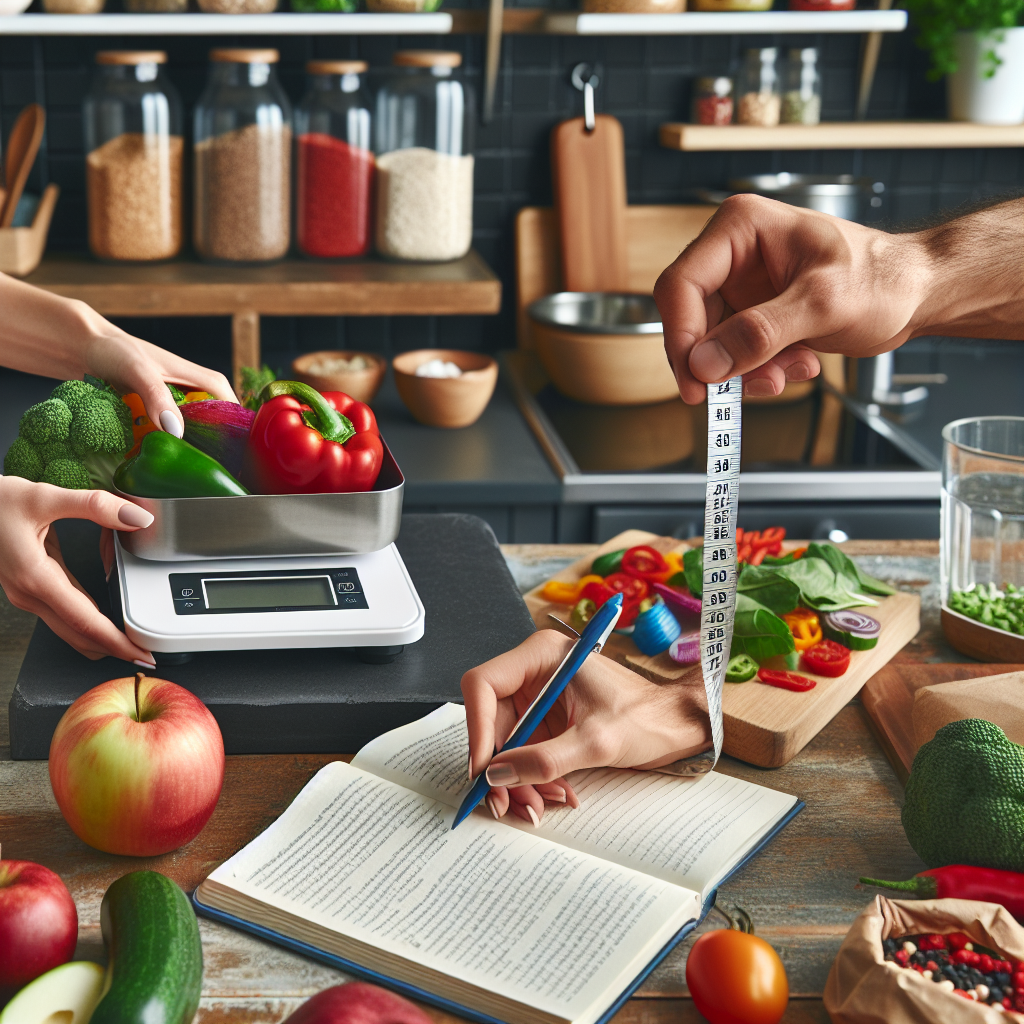
In the journey towards effective weight management, many factors come into play, but one of the most crucial elements is portion control. Understanding and applying portion control can significantly aid in achieving and maintaining a healthy weight. This article will explore the principles of portion control, its benefits, and practical tips for mastering it.
Understanding Portion Control
What is Portion Control?
Portion control refers to the practice of managing the amount of food one consumes in a single serving. Rather than focusing solely on what foods to eat, portion control emphasizes the quantity consumed, which is essential for balancing calorie intake and energy expenditure.
The Science Behind Portion Control
Our brains often struggle to accurately gauge portion sizes. This is further complicated by today’s super-sized servings and all-you-can-eat buffet culture. Studies show that larger portions can lead to increased calorie consumption, regardless of hunger levels. By honing in on proper portion sizes, individuals can better regulate their caloric intake and foster a healthier relationship with food.
Benefits of Portion Control
- Weight Management: Controlling portions helps prevent overeating and contributes to weight maintenance or loss.
- Mindful Eating: Paying attention to portion sizes encourages more mindful eating practices, allowing individuals to enjoy their food without mindless snacking.
- Nutritional Balance: Portion control can facilitate a balanced diet, ensuring that meals are composed of a variety of nutrients rather than an overload of one food group.
- Cost Efficiency: Managing portion sizes can lead to reduced food waste and lower grocery bills, as you purchase only what you need.
Practical Tips for Mastering Portion Control
1. Use Smaller Plates and Bowls
Research indicates that using smaller dishes can trick the brain into thinking you’re consuming more food than you are. This simple change can significantly reduce portion sizes without sacrificing satisfaction.
2. Measure Serving Sizes
Make it a habit to measure food using standard serving sizes, especially for high-calorie items. Familiarize yourself with food labels, and consider investing in a food scale or measuring cups to ensure accurate portions.
3. Mindful Eating
Take time to enjoy each bite of your food. Eating slowly allows you to savor flavors and recognize feelings of fullness, often leading to eating less.
4. Fill Half Your Plate with Vegetables
Incorporating more vegetables is an effective strategy for portion control. Vegetables are low in calories and high in nutrients, allowing you to fill up on satisfying, nutritious food without exceeding calorie limits.
5. Be Aware of Liquid Calories
It’s easy to overlook the calories in beverages, from sugary drinks to creamy coffee concoctions. Consider measuring out serving sizes for drinks and opt for water or herbal teas most of the time.
6. Avoid Eating from the Package
Portion out snacks into smaller bowls or containers. Eating straight from the package can lead to unconscious overconsumption, making it difficult to keep track of portion sizes.
7. Plan Your Meals
Having a meal plan can help you pre-determine portion sizes and ensure you’re consuming balanced meals throughout the week. Use meal prep containers to store healthy portions for easy access.
8. Listen to Your Body
Learn to recognize your hunger and fullness cues. Eating when you’re hungry and stopping when you’re satisfied is a fundamental principle of portion control and mindful eating.
Conclusion
Mastering portion control is a key strategy for effective weight management and can lead to long-term success in fostering a healthier lifestyle. By being mindful of serving sizes and implementing practical strategies, you can nourish your body, enjoy your meals, and maintain a healthy weight. Start small, stay consistent, and watch as your relationship with food transforms for the better. Remember, it’s not just about what you eat; it’s also about how much you eat!